


We get asked a lot about sustainability investment and the impact of performance pressures and market downturns. It goes without saying that in many large companies, when times are tough, investment in anything long-term tends to take a back seat. The case for sustainability is complex and the benefits are largely long-term, so sustainability suffers. This has a direct impact on progress and is a bad thing.
This week, however, we have been reflecting on the indirect cost of scaling back on investment in sustainability.
The challenge is that with sustainability, it is not just about the money – it is about values and trust. Sustainability is based on a vision of the future which investors, customers and employees in particular buy into. Pulling back can be very damaging to these relationships and impact wider performance.
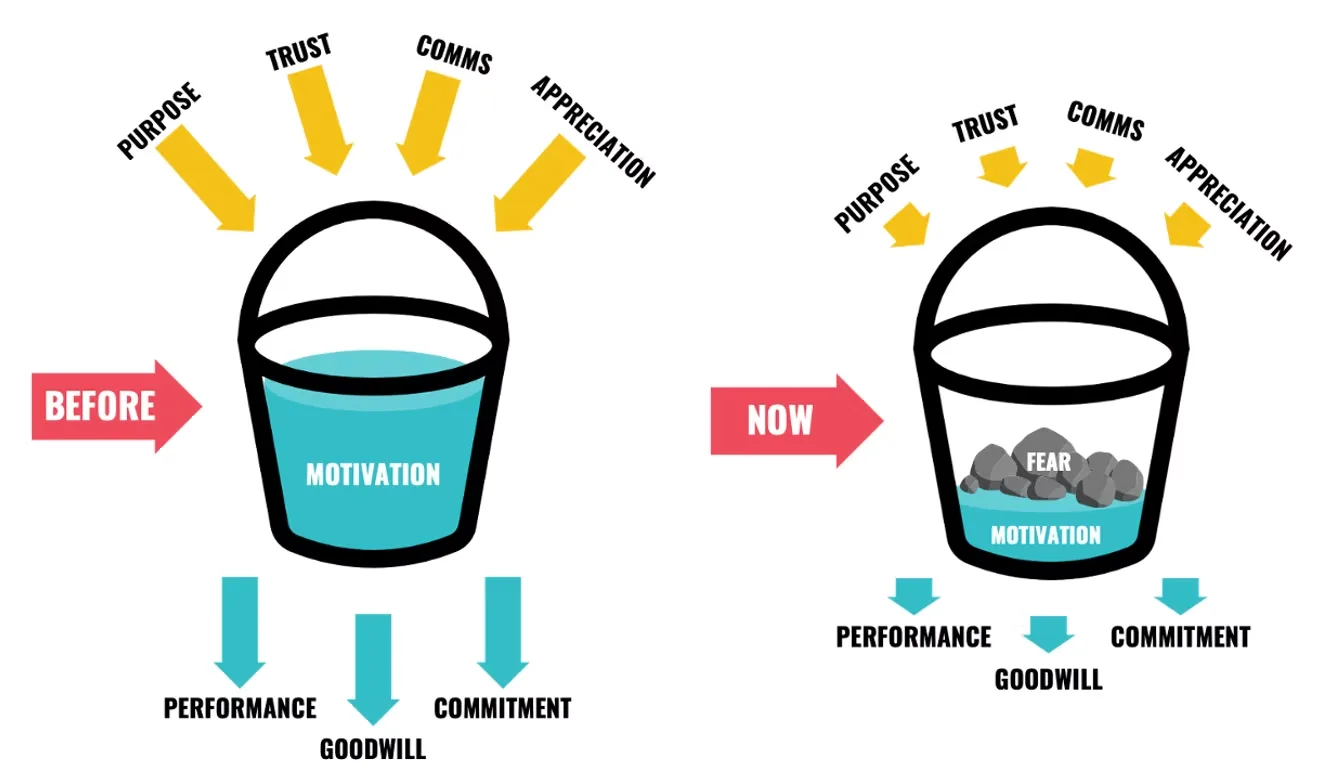
For employees, motivation can be a leaky bucket. A clear sense of purpose, underpinned by trust, communication and appreciation of work to date, helps keep it topped up. This drives performance and goodwill. Scaling back investment in sustainability cuts the flow into the bucket and starts to get people worrying: what does this mean? Were sustainability commitments real, or was it greenwashing? Does the business really value this? Fear and worry start to impact performance and goodwill. Much has been made of company values and sustainability in recruitment and staff retention – but less about the fears created by scaling back on sustainability investment or targets.
In this week’s news
Justin Wright
Managing Partner
Mangrove