Managing culture is not a new idea. What has changed is how seriously it is taken, and how precisely it can now be built.
In its earliest form, culture management meant a mission statement, a values poster and an annual engagement survey. Well-intentioned, often expensive, and largely disconnected from what people actually did on a Tuesday. Nobody could say whether it 'worked', because nobody had defined what 'working' would look like.
Faced with a workforce under more pressure than ever, rising external flux, the demand to deliver more with less, competing agendas pulling teams in different directions, leaders have started to take culture seriously as a performance lever rather than a wellbeing initiative. But recognising that culture drives outcomes and building a culture that reliably does so are different things. Most leadership teams can describe the culture they want. Few have translated it into behaviours specific enough to coach, and fewer still can see, week to week, whether those behaviours are actually happening.
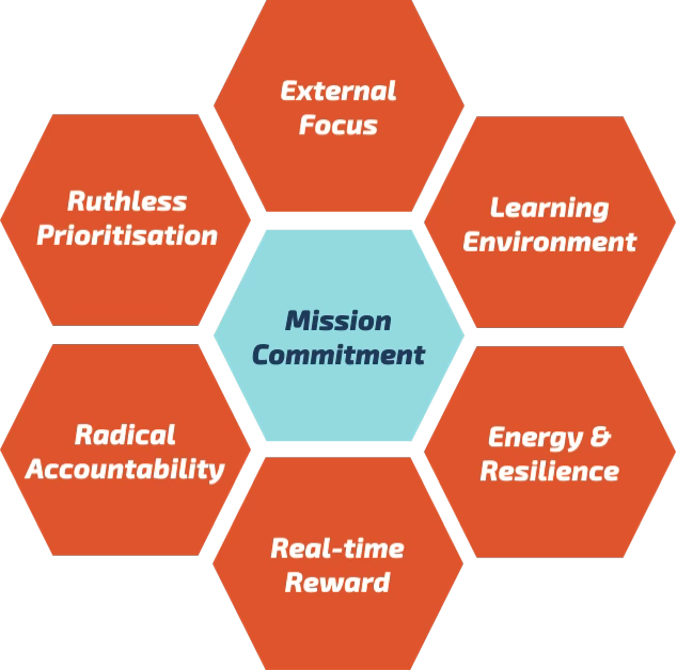
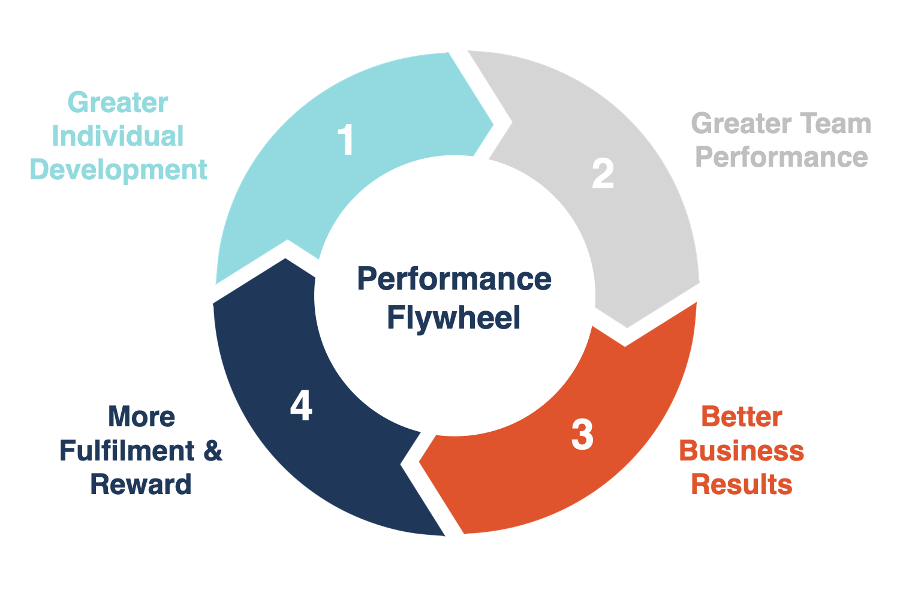
Still, there is reason for optimism. The organisations pulling ahead are the ones treating culture as a system rather than a sentiment: a defined mission, a specific set of behaviours, and a weekly rhythm that makes performance visible before it shows up in the results. For them, culture stops being a slide in a strategy deck and starts being the thing that runs the business day to day.